1982年1月,毕业于哈尔滨师范大学历史系,获学士学位;1991年7月,毕业于首都师范大学历史系,获博士学位。
任首都师范大学、北京中华文化学院客座教授。
在历史学、民族学、行政管理学、文物及博物馆学领域做过一些研究工作。已出版著作、论文、译文百余万字。在历史学和行政管理学领域曾获北京市委、市政府和国家人事部颁发的科研成果奖六项;荣获北京市委、市政府授予的“有突出贡献专家”称号(2003年)、国务院颁发的“政府特殊津贴”(2010年)。
主要著述如下:
《中国行政管理学》(副主编,主要撰稿人),(中央党校出版社,1994年第1版,1996年修订第2版);
《政府在市场经济条件下转变职能应遵循的三条基本规律》(The Three Basic Laws Government Should Follow in Its Change of Functions under The Market Economy),国际行政科学学会第三届行政科学大会入选论文,(北京,1996年);
《中国的行政改革与经济发展》(The administration reform and economy development of China),国际行政科学学会行政改革圆桌会议论文,(新德里,1997年);
《关于深化机关、事业单位工资制度改革的政策建议》,《中国软科学学会第二届年会论文集》,(科学技术出版社,1999年);
《永乐大钟铭文真迹》(主编),(北京燕山出版社,2001年);
《发现永乐大钟》(合著),(中华书局,2006年4月);
《通古斯族系的兴起》,(中华书局,2006年7月第1版,2012年3月修订第2版);
《高凯军历史文博论集》,(中华书局,2010年4月);
《论中华民族—从地域特点和长城的兴废看中华民族的起源与发展》,(文物出版社,2010年4月第1版,2012年3月修订第2版)。
此外,在各种学术期刊和国际学术会议发表论文、译文50余篇。
代表性学术成果介绍
|
|
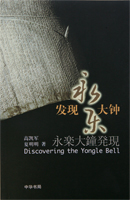
《发现永乐大钟》
长32开,平装,共308页,140千字,2006年4月第一版第一次印刷,高凯军、夏明明著,中华书局出版。
本书首博书店有售。 |
内容简介:
永乐大钟在世界古钟铸造史上占有重要地位:它是世界上现存最古老的大钟之一,是世界上铭文最多的大钟,还具有世界一流的声学特性、铸造工艺、铸造质量和科学合理的力学悬挂结构。本书对永乐大钟的历史地位、成因、铸造时间和地点、历次搬迁和功能演变、汉梵文铭文内容及特点、钟体结构设计、铸造工艺、声学特性作了全面、详细的介绍,并配以近30幅图片,可以读者深入了解永乐大钟的文化内涵。
目录:
序……………………………………………………………………………………柯俊 1
一、永乐大钟的基本特征及其在世界古钟史上的地位……………………………… 1
二、永乐大钟的铸造时间和地点……………………………………………………… 6
永乐大钟铸造的时间:1418年3月-1420年11月………………………………… 6
永乐大钟铸造的地点:德胜门内旧鼓楼大街西侧铸钟娘娘庙遗址附近……… 8
三、永乐大钟的搬迁及其功能的演变…………………………………………………11
永乐大钟的三次搬迁:铸钟厂—汉经厂—万寿寺—觉生寺……………………11
永乐大钟功能及其演变:
皇家佛事法器—民间佛事法器—皇家祈雨法器—辞旧迎新的象征…………………13
四、永乐大钟历史成因分析……………………………………………………………16
铸造永乐大钟是为了“阡悔”还是为了维护明朝的统一?……………………17
永乐大钟是寓政治于佛教的成功典范……………………………………………24
顺应生产力发展,集冶金、铸造、声学、力学之大成的产物…………………30
五、永乐大钟所铸佛教经咒及其位置分布……………………………………………36
永乐大钟的梵文经咒………………………………………………………………36
永乐大钟的汉文经咒………………………………………………………………45
六、永乐大钟铭文的内容选择和设计…………………………………………………47
永乐大钟铭文内容的政治意图……………………………………………………47
永乐大钟铭文内容选择与设计的特点……………………………………………50
七、永乐大钟的外观和体量设计………………………………………………………53
悬挂结构和钟钮的独特形式………………………………………………………53
钟顶、钟裙和钟唇…………………………………………………………………54
铭文的镌刻与书法…………………………………………………………………55
平行环形线的功能…………………………………………………………………55
永乐大钟铭文布局崇尚东方………………………………………………………56
永乐大钟重量设计中的佛教文化内涵……………………………………………57
八、永乐大钟优美钟声是怎样产生的…………………………………………………59
响钟的质量要素……………………………………………………………………59
永乐大钟声学特性的定性、定量分析……………………………………………61
永乐大钟的结构设计与“钟腔比”等要素………………………………………65
永乐大钟的局限性…………………………………………………………………67
“响钟”和永乐大钟的传统铸造工艺……………………………………………69
跋…………………………………………………………………………………………80
 |
《通古斯族系的兴起》
小16开,平装,共300页,250千字,2006年7月第一版第一次印刷,2012年3月修订第二版,高凯军著,中华书局出版。
本书首博书店有售。
|
内容简介:
本书在深入了解通古斯学研究现状的基础上,从通古斯的概念、通古斯的起源、通古斯族系兴起的性质、特点和历史地位入手,试图从整体上把握和研究通古斯族系的历史,揭示通古斯族系长时段、周期性兴起的原因和规律。
目录:
一 导言………………………………………………………1
关于通古斯的概念和通古斯学研究………………………1
本书的资料范围、基本方法和主要观点…………………6
二 历史上通古斯族系兴起的性质…………………………24
通古斯是中华民族的重要分支和组成部分………………24
通古斯建立政权或王朝是中国的内部事务………………56
三 通古斯南进的地理和经济、文化因素…………………81
汉族地区经济、文化的优先发展及其吸引力……………81
通古斯社会经济、文化发展的缓慢性……………………86
经济、文化交流阻塞是通古斯南进的根本原因…………97
四 通古斯南进过程中递进趋势的主要原因分析…………102
通古斯兴起的历史机遇问题……………………………102
金、清统治集团的内部状况和民族政策………………108
金、清统治阶级对被统治地区经济状况和适应能力…141
五 不平衡发展与通古斯族的政权重构现象………………167
唐代粟末靺鞨的兴起………………………………………167
辽末崛起于松嫩平原的女真完颜部………………………175
时代建州女真的起源、迁徒和建国………………………183
六 通古斯族系与其他族系兴起特点的比较………………191
氐、匈奴和突厥……………………………………………191
吐蕃、乌蛮和白蛮…………………………………………200
羌和东胡……………………………………………………205
七 通古斯族系的历史地位…………………………………219
奠定和捍卫祖国的边疆……………………………………219
开发东北、经营北方和建设全国…………………………224
促进中华民族多元一体格局的形成………………………238
八 结论………………………………………………………253
索引……………………………………………………………257
跋………………………………………………………………276
|
|
|
《高凯军历史文博论集》
我馆副馆长、研究员高凯军博士的《高凯军历史文博论集》由中华书局于2010年4月出版,大32开,分精装、平装两种,共302页。该文集是作者对二十多年来已发表和未发表的有关历史文博方面论文的自选集,由十五篇论文和附录一篇(散文)组成,对历史文博爱好者具有一定参考价值。
|
其目录如下:
1、影响华夏族起源、形成和发展的几个重要因素
2、从秦汉的统一和政策、措施看华夏向汉族的发展
3、从隋文帝的民族政策看隋初的经济繁荣
4、地理环境在匈奴族形成中的作用
5、室韦源于鲜卑说新论
6、关于通古斯族系兴起的若干问题
7、6-8世纪汉族对突厥族的影响
8、突厥汗国在突厥族形成、分化和衰落过程中的作用
9、北京文化及其在中华文化中的地位和影响
10、关于永乐大钟若干问题的探讨
11、永乐大钟历史成因分析
12、乾隆御制《皇都篇》、《帝都篇》碑文的主题
13、乾隆御制《皇都篇》、《帝都篇》碑文注释
14、博物馆与终身学习理念
15、关于博物馆科研工作的三个重要环节
16、附录:我的大学梦
1. Some important factors of the influence on Chinese Nation’s origin, formation and development
2. From the unity, policy and measures of Qin and Han Dynasties to look through the development from Huaxia to Han Nation
3. From the national policy constituted by Emperor Sui Wen-di to look through the economic prosperity during the beginning of Sui Dynasty
4. The role of geographical environment in course of formation of Hun
5. The new theory of Hsian-pei originating from Shiwei
6. Several issues on the rising of Tungus
7. The impact made by Han Nation to Turkic during the 6-8 century
8. The role of Khaganate in the formation, differentiation and comedown of Turkic
9. Beijing culture and its status, influence in the Chinese culture
10. Research on issues of the Great Bell of Yongle
11. Analysis of the historical genesis of the Great Bell of Yongle
12.The theme of the Huangdupian(Poem of Royal City) and Didupian(Poems of Imperial City) epigraphs by Emperor Qianlong
13.The Annotations of the Huangdupian(Poem of Royal City) and Didupian(Poems of Imperial City) epigraphs by Emperor Qianlong
14. Museum and the idea of lifelong learning
15. Three important sections in the research of museum
16. Appendix: The dream of my university
 |
|
《论中华民族—从地域特点和长城的兴废看中华民族的起源、形成和发展》
本书由文物出版社于2010年4月出版,2012年3月修订第2版,全书约30万字。 |
该书综合运用地理学、气象学、考古学、历史学、民族学等多学科资料从地域特点和长城兴废的角度探讨了中华各族内向发展、互补依存和逐渐走向融合的历史趋势,揭示了华夏—汉族—中华—中华民族演进的阶段性和表现为“先多效应”的内在规律。书中资料翔实,行文简洁,思路清晰,观点明确,并配有丰富的相关图表,对关心中华民族历史由来和前途命运的读者具有重要参考价值。( The book combines multi-disciplinary materials, such as geography, meteorology, archeology, history and ethnonymics, etc. From region feature, rise and fall of the Great Wall on inward development,complementation and dependency of Chinese ethnic groups,and the historical tendency of assimilation,revealing the evolution stage of Huaxia, Han people, Zhonghua to Chiaese Nation,and the law of “Advanced and Numerous Effect”. It has full and accurate materials, concise formulations, clear thoughts, unambiguous viewpoints, and numerous plates. It will be valuable for who concerns the history and future of the Chinese Nation.)
其目录如下:
一、导言:地理环境与中华民族发展的历史趋势
1、 中华大地的外部屏障
2、 中华各族发展的内陆条件
3、 少数民族内向发展的选择与中华各族融合的历史趋势
4、 华夏、汉族、少数民族和中华、中华民族概念的演变
二、影响华夏族起源、形成和发展的几个重要因素
1、地理环境的特点与华夏族的农耕经济和物质文化特征
2、农耕经济传统与华夏族语言、文化的起源及其特点
3、“三代”王朝的建立、替代和发展与华夏族特征的巩固
4、部落或族群间的文化趋同与华夏族的发展壮大
三、从秦、汉的政策、措施看华夏族向汉族的发展
1、政治统一和疆域拓展为华夏向汉族的发展打开了广阔的空间
2、移民政策为汉族的自身发展和吸收少数民族成分创造了条件
3、文化政策巩固了汉族的语言、文化基础
4、重农政策和措施促进了农业的发展和汉族人口的增长
四、中华各族互补依存关系形成的自然条件和主要表现形式
1、 汉族的扩张和影响少数民族民族社会经济发展的地理因素
2、边疆少数民族寻求内向交流或内向发展的几种主要形式
3、气候差异和气候波动与南、北方少数民族对发展方向的不同选择
五、先秦两汉时期华夏—汉族的心理和实体防线
1、心理防线:华夷之辩与“内诸夏外夷狄”
2、实体防线:从南仲城到万里长城
3、长城的积极作用和消极影响
六、长城的废弃与早期中华民族的形成
1、北方少数民族的内迁及其与汉族的融合
2、汉人的南迁及其对南方少数民族的影响
3、隋、唐在民族融合基础上的统一与早期中华民族雏形的诞生
七、契丹、女真、蒙古的入主中原与中华民族的发展
1、契丹族的起源、创建辽朝及其封建化和汉化
2、女真族的兴起、统一北方及其封建化和汉化
3、蒙古族的起源、建立元朝及内迁蒙古、色目人的汉化
八、长城的突破与中华民族多元一体格局的形成
1、元末汉族重返政治舞台与长城的重建
2、长城的突破与中华民族多元一体格局的确立
3、边疆少数民族与内地政治、经济和文化交流的加强
4、帝国主义列强的入侵与中华各族共同民族意识的形成
5、满族的汉化与中华主体族群的发展壮大
九、结论:中华民族的历史与未来
1、天人之际:中华民族发展的趋势和特征
2、古今之变:中华民族演进的阶段和规律
3、现状与未来:全球化背景下的中华民族
索引
跋
Contents
Ⅰ Introduction: features of region and historical tendency of the Chinese Nation’s development
1. Exterior defence of Chinese territory
2. Inland condition of Chinese ethnic groups
3. Choice of inward development of ethnic minority and historical tendency of Chinese ethnic groups integration
4. Evolvement of some conceptions: Huaxia, Han people, ethnic minority, Zhonghua and Chinese Nation
Ⅱ Some important factors of the origin, formation and development of Huaxia
1. Character of geographic environment and feature of farming economics of Huaxia
2. Tradition of farming economics and the origin of language and culture of Huaxia and its character
3. Establishment, substitution and development of the “Three Dynasties-Xia,Shang and Zhou dynasties” and consolidation of character of Huaxia
4. Convergence between tribes or ethnic groups and development and grower of Huaxia
Ⅲ On policy, measures of Qin and Han dynasties of transition of Huaxia to Han people
1. Political unification and territorial expansion open a wider space for the transition of Huaxia to Han people
2. Migration policy provides a condition for Han people’s advancement and the assimilation of ethnic minority
3. Cultural policies forge common language and cultural identity of the Han people
4. Policies and measures encouraging agriculture promote agricultural development and the Han population growth
Ⅳ Natural condition and the ways it made different Chinese ethnic groups interdependent
1. Han expansion and geographic conditions influencing social and economic development of the ethnic minority
2. Several main ways of inward exchange and development for ethnic minorities in the frontier regions
3. Climate difference and undulation in relation to different choices made by northern and southern ethnic minorities concerning development
Ⅴ Mentality and entitative defence of Huaxia and Han from pre-Qin to Han Dynasties
1. Mentality defence:debate of Huaxia and barbarian and “interior are Huaxia nations and exterior are barbarian nations”
2. Entitative defence:from the Nanzhong Castle to the Great Wall
3. The positive effect and the negative influence of the Great Wall
Ⅵ Abandonment of the Great Wall and the formation of early Chinese Nation
1. Inward migration of Northern ethnic minority and integration of the Han people
2. Southern migration of the Han people and the influences upon ethnic minority in the South
3. Unification during the Sui and Tang dynasties on the basis of ethnic integration and the Chinese Nation in its embryonic form
Ⅶ The Khitans,Jurchens and Mongolia entering the Central Area and the development of Chinese Nation
1. The origin of the Khitans, Liao dynasty’s foundation and its feudalization and Chinese localization
2. The rise of the Jurchens, unifying the north and its feudalization and Chinese localization
3. The origin of Mongolia, Yuan dynasty’s foundation and the Chinese localization of Mongol and Semu immigrants
Ⅷ Breaking through the Great Wall and the formation of pluralism in unity of the Chinese Nation
1. Political restoration of the Han people at the end of the Yuan dynasty and the reconstruction of the Great Wall
2. Breaking through the Great Wall and the establishment of pluralism in unity of the Chinese Nation
3. Enhancement of political, economic, and cultural exchange between ethnic minority in the frontier and the hinderland
4. Imperialist invasion and the awakening of common national consciousness of Chinese Nation
5. Chinese localization of the Manchus and the expansion of the major Chinese ethnic groups
Ⅸ Conclusion: history and future of the Chinese Nation
1. Between nature and man: feature and tendency of the Chinese Nation’s development
2. From antiquity to the present: period and law of the Chinese Nation’s evolution
3. The present situation and future: the Chinese Nation under the globalization
Index
Postscript